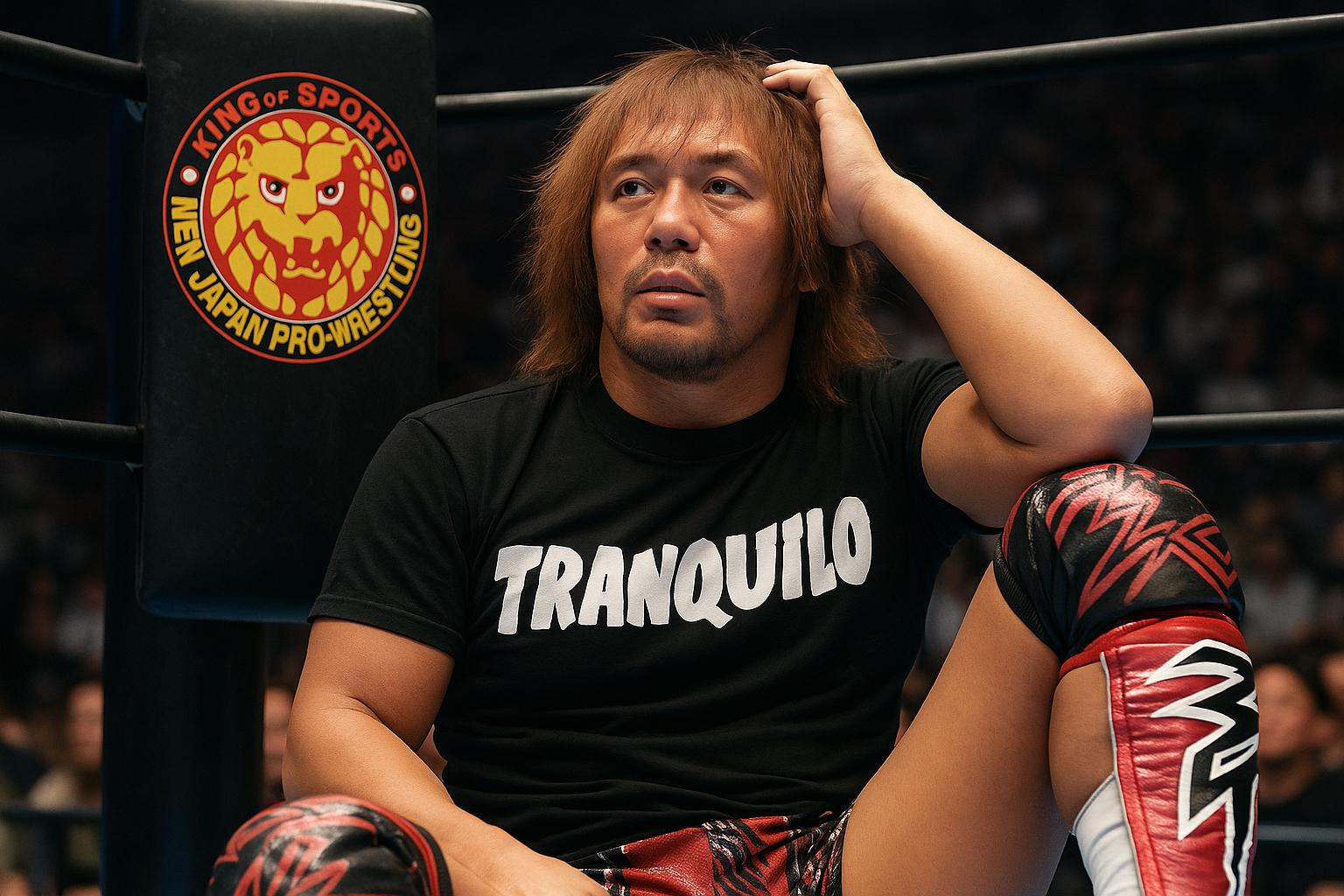
Naito’s Impact on NJPW’s Storytelling Approach
The evolution of New Japan Pro Wrestling (NJPW) has witnessed various wrestlers contributing to its global success, but few have had as profound an impact on the narrative style as Tetsuya Naito. Known for his unique charisma and in-ring psychology, Naito has been instrumental in popularizing NJPW’s method of slow burn storytelling—a technique that emphasizes gradual, detailed development of narrative arcs.
The Essence of Slow Burn Storytelling
Slow burn storytelling in professional wrestling involves long-term narrative arcs that develop over extended periods. This approach builds anticipation and investment among audiences, culminating in a satisfying payoff. Unlike fast-paced plots, the slow burn allows for intricate character development and more profound emotional connections with fans. In the current wrestling landscape, where plotlines often shift at a rapid pace to maintain viewer interest, NJPW’s commitment to slow burn storytelling stands out. It challenges audiences to engage with a narrative much like a well-crafted novel, where each chapter builds towards an impactful climax.
Naito’s Journey and Character Evolution
Tetsuya Naito began his career in NJPW with a traditional babyface persona, which initially failed to resonate with audiences. This early setback did not deter him, but rather laid the groundwork for a significant transformation. His eventual shift into the role of the enigmatic leader of the faction Los Ingobernables de Japón marked a pivotal moment in his career. This faction, known for its rebellious attitude and non-conformity, perfectly aligned with Naito’s evolving character. The transformation from a hopeful, yet unsuccessful, babyface into a complex and intriguing heel was not immediate, but rather a gradual change that unfolded over time. This slow progression allowed fans to witness minute transformations in Naito’s demeanor, wrestling style, and alliances, reflecting the essence of slow burn storytelling.
Naito’s character evolution mirrored a deeply relatable journey of frustration and rebellion, engaging fans in a nuanced narrative. From public rejection to widespread adoration, his journey resonated with many who have experienced setbacks and subsequent reinventions in their own lives. His storylines with significant figures like Kazuchika Okada and Hiroshi Tanahashi further emphasized this storytelling method. These long-term feuds were meticulously crafted story arcs where every match, promo, and interaction served a purpose—inching the narrative forward and adding layers to the characters involved. Through these rivalries, audiences were hooked not only on the outcomes of the matches but also on the developmental arcs of the characters.
Key Matches as Storytelling Milestones
Matches against prominent adversaries have served as pivotal storytelling points for Naito. His bouts at annual events, such as Wrestle Kingdom, are prime examples of how NJPW employs extended narratives. These events are not simply platforms for showcasing wrestling prowess, but carefully constructed chapters in ongoing stories that deliver emotional payoffs. Each match is laden with backstory, where long-standing rivalries and character development come into play.
For instance, Naito’s clashes with Okada at Wrestle Kingdom events are not just athletic contests, but reflections of their ever-evolving rivalry. Each encounter builds on the previous one, incorporating new elements of their storyline, such as shifting motivations and evolving mutual respect. These matches often showcase how characters are influenced by past encounters and personal growth, offering audiences a dynamic viewing experience that is both engaging and thought-provoking.
Reception and Influence on NJPW’s Global Appeal
Naito’s approach to storytelling has not only garnered a loyal fan following but has also influenced NJPW’s broader narrative strategies. His success has proven that audiences are willing to invest time in a storyline if it promises depth and complexity. This realization has led NJPW to apply similar storytelling techniques across other divisions and wrestlers within the promotion. By investing in long-term character development, NJPW has enhanced its global appeal, attracting audiences that appreciate detailed and emotionally engaging narratives in professional wrestling.
Furthermore, the international exposure of NJPW, partly due to Naito’s compelling storylines, has helped bridge cultural barriers in wrestling storytelling. Audiences around the world have found common ground in the universal themes of struggle, transformation, and triumph present in Naito’s arcs. NJPW’s emphasis on narrative depth has increasingly appealed to fans of not only Japanese pro wrestling, but also global audiences that value storytelling in sports entertainment.
In conclusion, Tetsuya Naito’s role in popularizing NJPW’s slow burn storytelling cannot be understated. Through his carefully crafted character evolution and electrifying performances, he exemplifies the power of prolonged narratives that gradually build towards emotionally satisfying conclusions. He has set a benchmark in the art of storytelling in professional wrestling—an art that continues to intrigue and captivate audiences worldwide. Naito’s legacy in NJPW is not only cemented through his championship victories and memorable matches but also through the intricate and engaging stories he has helped unfold in the NJPW tapestry.
This article was last updated on: June 5, 2026