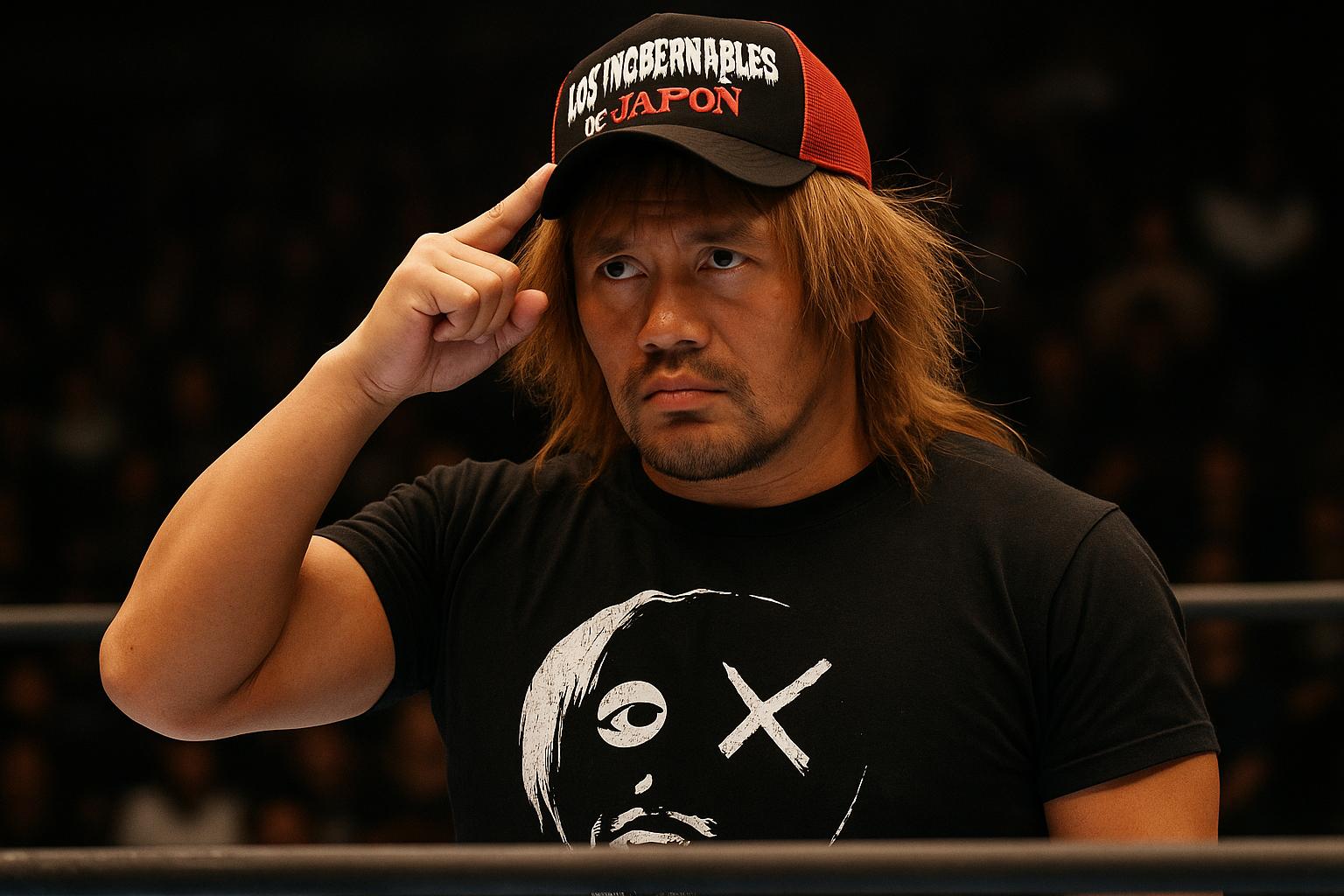
The Influence of Tranquilo Persona on Tetsuya Naito’s Wrestling Style
Tetsuya Naito, a prominent figure in the professional wrestling world, is known for his distinctive wrestling style that intertwines psychological elements seamlessly. A significant part of his appeal lies in his unique “Tranquilo” persona, which not only defines his character but also influences his in-ring performance.
Understanding the “Tranquilo” Approach
Naito’s adoption of the “Tranquilo” style reflects a laid-back, almost indifferent attitude towards his opponents and the match itself. This laissez-faire attitude challenges the standard aggressive nature of wrestling, where intensity and hasty momentum often take center stage. Instead, Naito maintains composure, using psychology to unnerve his opponents and fans alike.
The “Tranquilo” philosophy goes beyond mere in-character gimmicks; it represents a strategic psychological maneuver. By appearing unphased and dismissive, Naito aims to frustrate his opponents, pushing them off their game plan. It forces them to fight on emotional instincts rather than relying on premeditated strategies, giving Naito an upper hand.
The Psychological Edge
Naito capitalizes on psychological aggressiveness, often manifesting during matches when he deliberately slows down the pace, using poses or taunts. This tactic serves a dual purpose: it allows him to catch his breath while simultaneously provoking a psychological reaction from his opponent. When rivals become irritated and lunging, their approach becomes predictable, presenting Naito with opportunities to counteract.
Furthermore, the unpredictability of his style keeps his adversaries guessing, adding an additional layer of psychological complexity. Unlike other wrestlers who follow a set pattern or series of moves, Naito’s unpredictability makes it challenging for competitors to prepare or anticipate his next action.
Breaking Conventions: The Defiance of Standard Practices
Naito’s wrestling style also involves breaking away from traditional wrestling conventions. By doing so, he not only entertains the audience but also crafts a distinctive niche for himself within the wrestling industry. This defiance of standard practices is exemplified by his continuous disregard for titles or accolades, suggesting that typical wrestling hierarchies are trivial to him.
This aspect of his persona resonates with fans who appreciate a protagonist that rebuffs the typical wrestling narrative. For further details on Naito’s departures from convention, you can explore more insights by following this link.
Impact on Fans and Wrestling Culture
Tetsuya Naito’s psychological in-ring antics have left a significant imprint on wrestling culture, challenging both his fellow wrestlers and audiences to rethink preconceived wrestling norms. His distinctive approach encourages fans to engage with wrestling on a deeper psychological level, rather than merely focusing on the physicality.
By blending psychological tactics with athletic prowess, Naito not only entertains but also introduces a nuanced complexity to wrestling. This complexity enhances viewer engagement, driving discussions not just about his matches but his overarching philosophy within the wrestling realm.
The Underlying Principles of “Tranquilo”
At the core of Naito’s “Tranquilo” persona are underlying principles that extend beyond mere showmanship. Self-control and composure are instrumental, qualities that Naito has mastered through years of experience. His performances embody a strategic balance between action and restraint, ensuring he remains unpredictable yet effective.
This persona involves a deep psychological investment, as the emotional expressions are not just physical but rooted in mental discipline. Naito’s demeanor, often characterized by a relaxed posture and deliberate movements, signifies his control over the match’s tempo. The unpredictability further complicates his rivals’ efforts to plan an advantage.
Strategies Embedded in the Tranquilo Style
The strategic choices Naito makes while in a match reflect the effectiveness of his “Tranquilo” approach. Unlike traditional wrestling styles that focus primarily on physical strength and speed, Naito leverages psychological attributes as his main arsenal. Mental resilience is prioritized above physical aggression, setting Naito apart in the wrestling domain.
His ability to manipulate the audience’s expectations and perceptions is an integral part of his strategy. By slowing down the pace of the match intentionally, Naito draws his opponents into a mental battle, where impatience often becomes their downfall. This mastery over psychological warfare not only aids in-match victories but also cultivates a persona that remains etched in fan admiration.
The Role of Audience Perception
Audience perception plays a crucial role in the success of Naito’s “Tranquilo” persona. Fans are not mere spectators in Naito’s matches; they become involved, emotionally and psychologically. This involvement transforms wrestling from a mere physical contest to a dynamic performance art.
Naito is able to hold the audience’s attention by creating a unique emotional landscape within the ring. This connection extends beyond the match itself, fostering a community of fans who understand and appreciate the intricate nuances of his style. His approach encourages fans to contemplate the art of wrestling beyond its physical constraints, embracing the deeper psychological narratives at play.
The Evolution of “Tranquilo” Over Time
The evolution of Naito’s “Tranquilo” style underscores his adaptability and growth within the wrestling industry. Over time, Naito has refined his approach to include new psychological techniques while maintaining the core principles of the “Tranquilo” persona.
This evolution is evident in his ability to adjust to different opponents and match contexts. His understanding of when to pivot strategies showcases an adaptability that reflects both experience and innovation. While the essence of his style remains unchanged, its application continually evolves, keeping it fresh while preserving its foundational integrity.
Contributions to Wrestling Legacy
Naito’s contributions to wrestling through his “Tranquilo” persona extend beyond his individual success. His influence is observable in how psychological strategies have become more prevalent within wrestling narratives. Wrestlers are increasingly adopting psychological maneuvers, recognizing their potential to enhance viewer engagement and elevate match complexity.
By demonstrating the viability of psychological tactics in wrestling, Naito has paved the way for a more intellectually engaging style. His legacy thus lies not only in his accomplishments but also in the shift he has inspired within wrestling culture. By incorporating these deeper layers of engagement, Naito offers a blueprint for future wrestlers seeking to innovate within the industry.
Challenges and Criticisms Faced
While Naito’s “Tranquilo” style has garnered widespread acclaim, it has not been without its challenges and criticisms. Some critics argue that his relaxed attitude might undermine the perceived intensity of wrestling, potentially alienating fans who prefer traditional high-energy bouts. However, this criticism overlooks the strategic complexity and skill required to execute a “Tranquilo” style effectively.
These challenges only highlight the uniqueness and boldness of Naito’s approach, as he continues to challenge conventional norms and illustrates the multidimensional potential within professional wrestling.
Conclusion: The Enduring Impact of “Tranquilo”
The enduring impact of Tetsuya Naito’s “Tranquilo” persona lies in its ability to transcend typical wrestling narratives. Through psychological engagement and strategic execution, Naito has formed a distinctive style that not only intrigues fans but challenges competitors.
This influence extends beyond the ring, contributing to a broader understanding of wrestling as a complex, multifaceted sport. The legacy of the “Tranquilo” style will likely continue to inspire future generations, ensuring that Naito’s contribution to wrestling remains an integral part of its evolution.
This article was last updated on: May 29, 2026