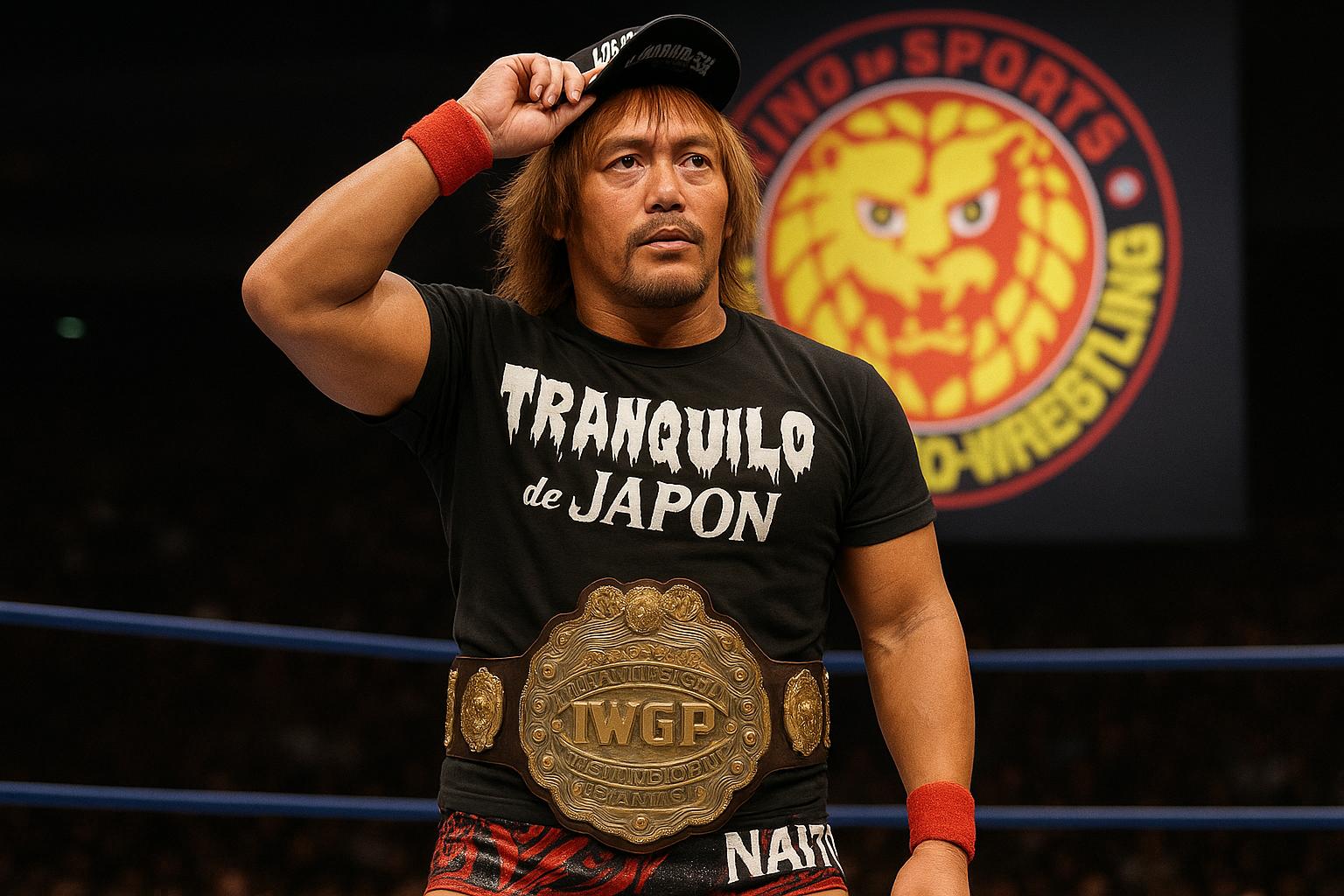
Naito’s Influence in NJPW’s Ascendancy
During New Japan Pro Wrestling’s (NJPW) golden era, Tetsuya Naito emerged as one of the most influential figures, playing a pivotal role in elevating the promotion to global prominence. Known for his charismatic persona and unique wrestling style, Naito not only captivated audiences but also defined a critical phase in NJPW’s history. His journey within the company, his evolution as a performer, and his impact on NJPW’s popularity are cornerstone elements that contributed to his status as a wrestling icon.
Early Career and Evolution
Tetsuya Naito’s early career in NJPW was filled with challenges, primarily his struggle to connect with the audience. Despite his undeniable talent, Naito initially found it difficult to establish a strong rapport with fans. However, this began to change with a significant transformation in his wrestling persona. As he developed his character over time, he laid the groundwork for becoming a main event star in the world of professional wrestling.
The turning point in Naito’s career was his transformation into the leader of the Los Ingobernables de Japón stable. Embracing a laid-back yet rebellious persona, Naito crafted an identity that resonated deeply with fans. The adoption of this character catapulted him to prominence, enabling him to capture the imagination of audiences both in Japan and worldwide.
Los Ingobernables de Japón
The formation of Los Ingobernables de Japón was a crucial milestone in Naito’s career. As the leader of this faction, Naito fostered a group of wrestlers who collectively embraced a non-conformist attitude. This stance was in stark contrast to the traditionally disciplined and respectful image of wrestling in Japan. The faction challenged the status quo, offering an alternative narrative and style which unraveled a cultural shift within NJPW.
Under Naito’s leadership, Los Ingobernables de Japón became a symbol of dissent against tradition, appealing to a new generation of wrestling fans who valued individuality and rebellion. This cultural impact extended beyond individual matches, injecting a dynamic energy into NJPW that made the promotion more compelling. For fans disenchanted with conventional wrestling storylines, the faction offered fresh perspectives and enthralling narratives.
Charisma and Match Quality
Tetsuya Naito’s charisma was one of his defining traits, playing a significant role in his success. His ability to command the crowd’s attention was enhanced by his exceptional match quality. Naito’s in-ring style, combining aerial maneuvers with technical prowess, struck a chord with both hardcore wrestling enthusiasts and casual viewers. His dynamic fighting style was complemented by a brash and charismatic approach that exuded confidence and authenticity.
Naito became renowned for his captivating encounters with other top-tier wrestlers, including Kazuchika Okada and Kenny Omega. These bouts are often cited as classics, showcasing the kind of storytelling and athleticism that elevates professional wrestling to an art form. Through these high-stakes matches, Naito cemented his legacy as a master technician, contributing significantly to NJPW’s reputation for delivering world-class wrestling events.
Champion and Global Ambassador
As a multiple-time IWGP Heavyweight Champion, Naito’s reigns added substantial prestige to NJPW’s top title. His major achievement came at Wrestle Kingdom 14, where he claimed both the IWGP Heavyweight and Intercontinental Championships. This momentous victory represented a culmination of years of hard work and dedication, highlighting NJPW’s commitment to strong storytelling and effective character development.
In addition to his championship successes, Naito served as a global ambassador for NJPW. His resonating presence and unique style captivated international audiences, becoming a driving force behind NJPW’s expansion into the global market. As NJPW sought to establish itself on the world stage, Naito’s popularity proved instrumental in capturing the interest of wrestling fans worldwide. His accessibility and charisma transcended cultural boundaries, making NJPW a viable alternative to other wrestling promotions globally.
Impact on NJPW’s Popularity
Tetsuya Naito’s contributions to NJPW extended beyond the confines of the wrestling ring. By consistently drawing large crowds and garnering international attention, he played an indispensable role in NJPW’s growth and popularity surge. Naito’s rise coincided with a period of global expansion for NJPW, as the promotion aimed to increase its footprint beyond Japan and establish its reputation as a major wrestling entity worldwide.
Part of Naito’s appeal lay in his authenticity and relatability. Fans connected with his persona and storyline, appreciating the nuanced character development that made him a relatable underdog and eventual underdog conqueror. His ability to tell compelling stories both inside and outside the ring bolstered NJPW’s narrative depth and enriched the overall fan experience. As audiences increasingly sought out wrestling content that resonated on an emotional and intellectual level, Naito’s popularity served as a testament to the power of effective storytelling in wrestling.
Conclusion
Tetsuya Naito’s role during NJPW’s golden era exemplifies the profound impact of strong character work and dynamic performance in professional wrestling. Through his leadership of Los Ingobernables de Japón, impressive championship runs, and engaging matches, Naito helped solidify NJPW as a leading force in the wrestling industry. His legacy extends beyond his in-ring achievements, influencing NJPW’s trajectory and shaping the broader landscape of professional wrestling.
Naito’s journey from a struggling performer to an icon in NJPW reflects the potential of persistence, innovation, and authenticity. As NJPW continues to flourish on the global stage, Naito’s influence remains a vital component of its success story. By bridging the gap between tradition and modernity, he paved the way for future generations of wrestlers to innovate and entertain, ensuring that NJPW’s legacy as a premier wrestling promotion endures for years to come.
This article was last updated on: August 28, 2026