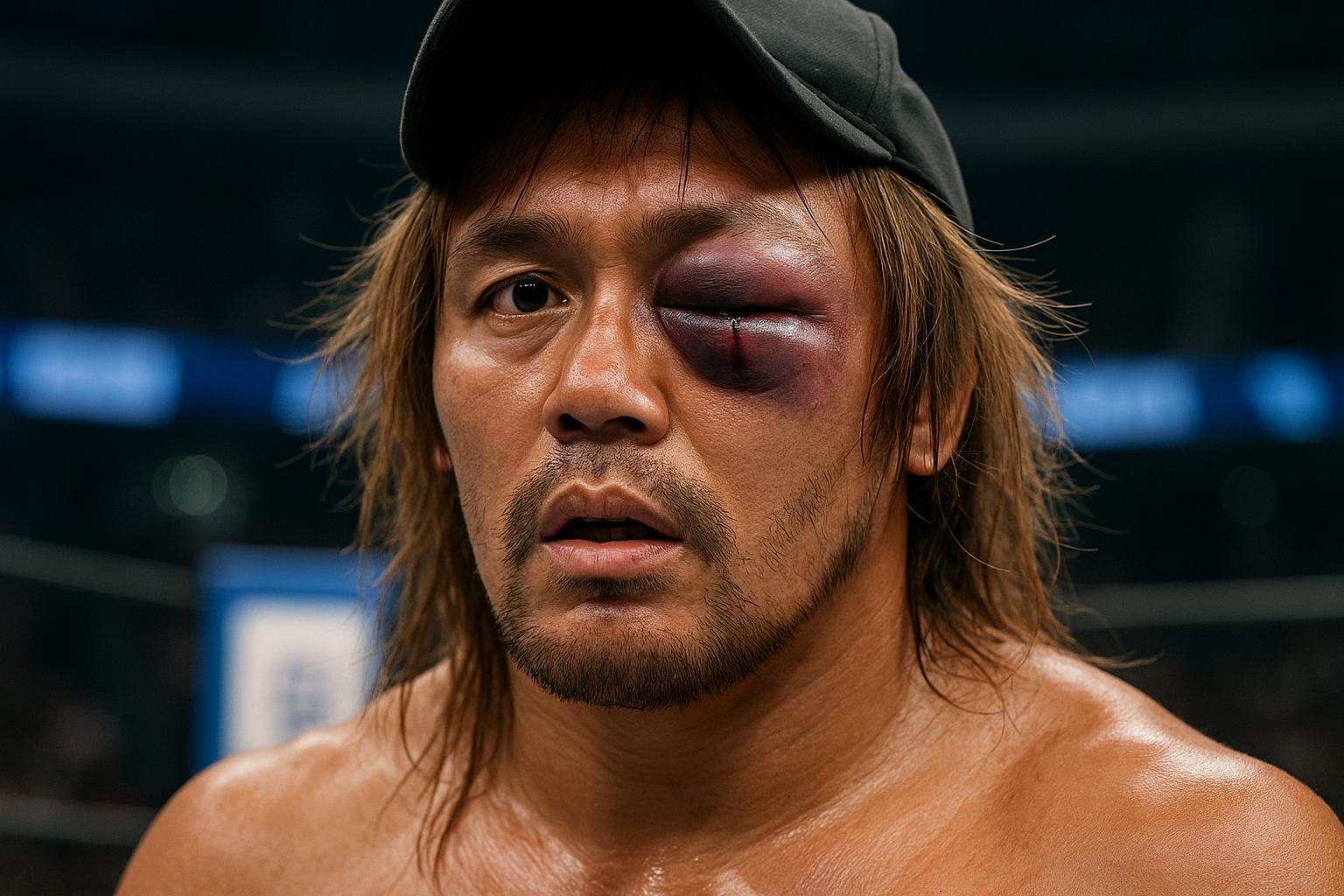
Naito’s Eye Injury: A Significant Career Event
Tetsuya Naito, a prominent figure in the world of professional wrestling, has long captivated audiences with his in-ring prowess and charismatic persona. However, his career took an unexpected turn due to a significant eye injury, marking a complex chapter that showcases his resilience and adaptability.
The Incident Leading to the Injury
Naito’s eye injury occurred during a high-intensity match, which is typical in the fast-paced environment of professional wrestling. The exact move or sequence that led to the injury has been widely scrutinized by fans and analysts alike. This incident serves as a stark reminder of the physical risks associated with wrestling, a sport that, while carefully choreographed, involves real physical exertion and potential for injury.
Wrestlers, including Naito, often engage in daring maneuvers, intending to thrill the audience but also increasing the risk of accidents. The move that contributed to Naito’s injury remains a topic of considerable discussion within wrestling circles, as it highlights the delicate balance between performing spectacular acts and ensuring wrestler safety. This delicate balance is a facet of wrestling that spectators might overlook, making Naito’s injury a high-profile example of its inherent dangers.
Initial Medical Assessment
Following the incident, Naito underwent a thorough medical assessment. Doctors diagnosed him with damage that necessitated immediate attention. The details of the diagnosis were not fully disclosed to the public, reflecting a respect for the athlete’s privacy. Nevertheless, the urgency of the medical response emphasized the severity of the injury.
Medical professionals insisted on rest and rehabilitation, focusing on Naito’s long-term health rather than returning to action prematurely. Such medical directives are common in sports injuries, where the long-term well-being of the athlete is prioritized over any short-term gains. This approach ensures that the injury does not lead to further complications that could be debilitating and potentially career-ending.
Impact on Naito’s Wrestling Style
As a result of his injury, Naito has had to make adjustments to his wrestling style. He was known for his aggressive and high-risk maneuvers, which made him a fan favorite but also exposed him to greater risk of injury. The injury compels him to adopt a more strategic approach, which demonstrates both his adaptability and determination to continue performing at a high level.
In adapting to his new style, Naito has managed to add depth and sophistication to his performances, allowing him to captivate his audience without undue risk. This evolution showcases his ability to grow as a performer despite significant setbacks. His transition reflects an understanding of his physical limitations and a commitment to refining his craft within new parameters.
Temporary Absence from the Ring
The severity of the injury required Naito to take a temporary hiatus from wrestling. This break was not merely a recovery period but a strategic pause that ensured he could return to competition at full strength. The decision to step away from the ring was difficult, impacting not only Naito but his fans, who eagerly awaited news of his condition and potential comeback.
During this period of absence, Naito maintained some connection with his fan base, using social media and public appearances to reassure supporters about his recovery journey. This communication was crucial, preserving the relationship he had meticulously built over the years. Meanwhile, the wrestling community speculated about his return, making it one of the most anticipated events in recent wrestling history.
Return and Career Prospects
Naito’s return to wrestling was met with much anticipation and enthusiastic support from the wrestling community. Upon returning, he demonstrated not only improved physical condition but also a renewed mental focus. This return symbolized more than a physical recovery; it was a testament to his resilience and the grit required to overcome adversity in professional sports.
Upon re-entering the ring, Naito was not just another athlete returning from injury; he embodied a narrative of triumph over adversity. His commitment to his craft and ability to overcome adversity have further solidified his status as a respected figure in wrestling. Fans celebrated his return, and his matches garnered significant attention, highlighting both his enduring popularity and the interest generated by his comeback.
Long-term Career Implications
While Naito’s eye injury posed significant challenges, it also underscored the resilience necessary in the sport. Injuries like his can potentially shorten careers or alter the trajectory of one’s professional journey. However, Naito’s effective management of his health has allowed him to continue pursuing his passion, setting an example for others in similar situations.
His experience serves as an important lesson for athletes regarding injury prevention and management. The attention given to his recovery process provides insights into the strategies employed by professional athletes to recover effectively while minimizing the risk of re-injury. The narrative surrounding his injury and return enriches the discussion about athlete welfare and the sophisticated medical and strategic frameworks that support their professional lives.
Further Reading
For more on Tetsuya Naito’s career and latest updates, fans can refer to various wrestling news outlets. Additionally, insights into his journey post-injury can be explored through interviews available on wrestling-focused media platforms. These resources provide in-depth analyses and first-hand accounts of Naito’s ongoing journey, allowing fans and analysts alike to appreciate the nuances of his remarkable career.
This article was last updated on: May 8, 2026