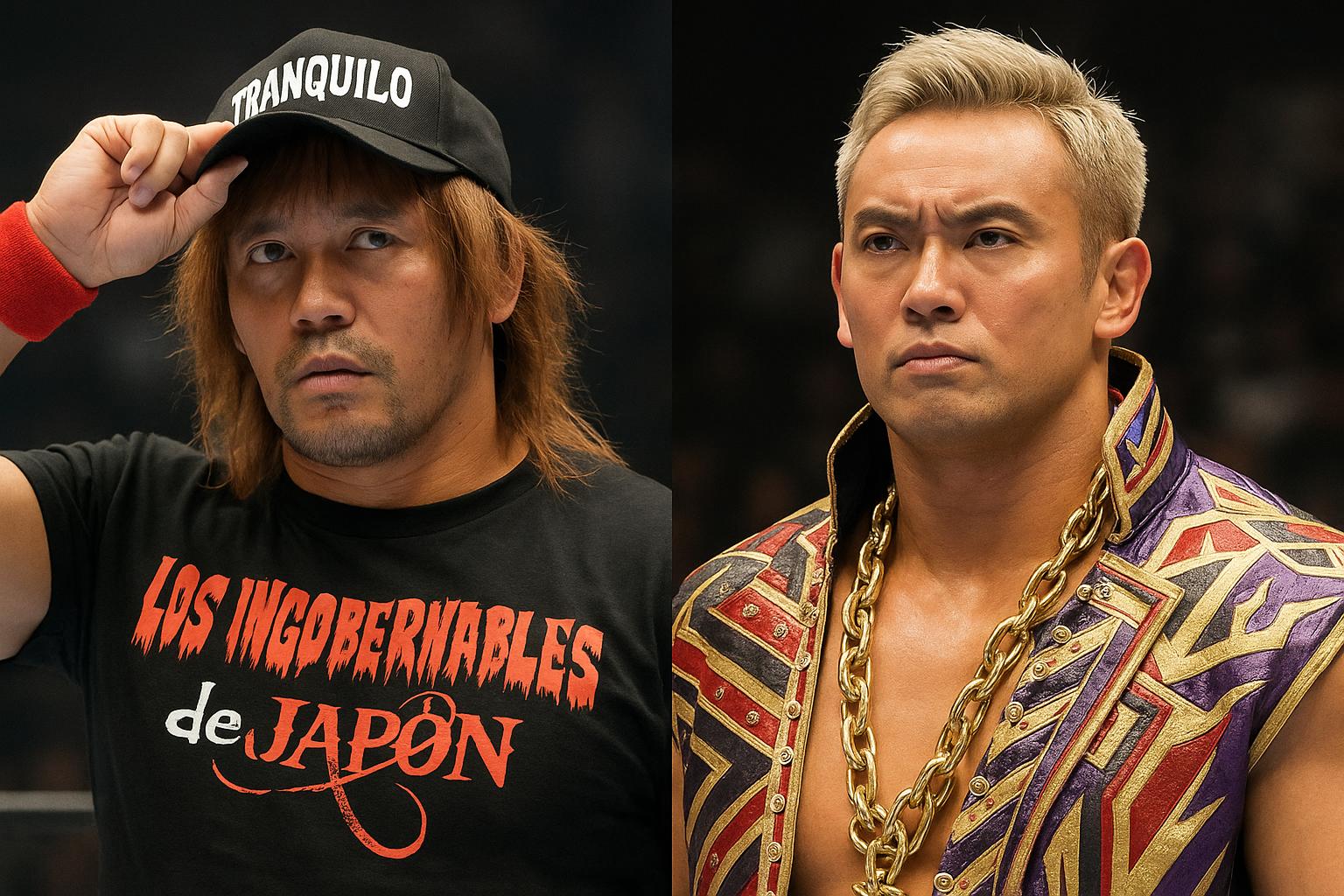
Naito’s Unique Wrestling Style
Tetsuya Naito, a renowned figure in professional wrestling, is celebrated for his unique and character-driven approach to matches. His style has captivated audiences around the world, and it’s often described as tranquilo, exuding an air of nonchalance and confidence that sets him apart in the ring. This distinctive approach contributes to a unique storytelling aspect within his matches, as Naito often plays with the expectations and perceptions of his audience, creating a dynamic interaction that goes beyond the physical performance. His keen ability to focus on psychological games draws in the crowd with his charismatic persona and keeps fans enthralled from start to finish. This element of his wrestling style creates an almost theatrical experience, where the audience is not just watching a match but is involved in a narrative crafted carefully by Naito.
Fans and analysts alike appreciate how Naito integrates his personal storylines into the very fabric of his in-ring persona. He often uses symbolism and gestures that resonate on a deeper level than the typical face-heel dynamic seen in wrestling. By harnessing the power of unpredictability, Naito manages to keep his matches fresh and engaging, with each encounter offering something novel. Through the lens of his character, what might otherwise be a standard match is transformed into a theater of suspense and drama. For further insights into his wrestling style, you might find this Naito profile interesting.
Okada’s Traditional Yet Spectacular Approach
Kazuchika Okada is another leading figure in the wrestling world, known for his epic encounters that often feature a brilliant blend of traditional wrestling techniques and high-impact maneuvers. Okada’s matches are hallmarked by their intense athleticism and endurance, creating dramatic and lengthy contests that captivate audiences with every bout. His style differs significantly from Naito’s, offering fans a classical wrestling experience with a modern twist. Okada’s methodical approach to wrestling is a showcase of perfection in technical execution, where every move is purposefully designed to build towards an inevitable climax.
One of the defining features of Okada’s style is his signature finishing move, the Rainmaker, which beautifully encapsulates his wrestling philosophy by combining precision with power. Each execution of the Rainmaker is a testament to Okada’s technical prowess and his ability to command the attention of the audience with fine-tuned, powerful maneuvers. His matches, though adhering to classical wrestling elements, offer excitement through their sheer scale and delivery, often involving grand narratives that play out with meticulous pacing and well-constructed storylines. To explore further about Okada’s approach, you can visit this Okada profile.
Thematic Contrast
In comparing Naito and Okada, the thematic elements underlying their matches are strikingly different yet equally compelling. Naito thrives on character-driven narratives that embrace unpredictability, while Okada emphasizes the artistry of traditional yet dynamic wrestling. This thematic contrast is a critical factor when examining how their respective matches are constructed and how they impact their audience.
Naito’s matches are less about the outcome and more about the journey he takes his audience on, constantly pushing and pulling the fans’ emotions. His unpredictable and, at times, irreverent style ensures that no two matches are truly alike, drawing a distinct line between conventional and avant-garde wrestling performance. Conversely, Okada’s matches are typically rooted in traditional storytelling, focusing on the rise and culmination of tension leading to satisfying resolutions. The narrative builds up, and through a combination of suspense and anticipation, culminates in high-stakes drama where every move has significant weight and meaning.
Audience Engagement
Naito and Okada engage their audiences in distinct and effective ways, playing to their strengths and the personas they have meticulously crafted. Naito’s ability to engage stems from his anti-hero persona, along with his talent for disrupting conventional match pacing and structure. He thrives on surprising the audience, subverting typical wrestling tropes, and keeping fans guessing about his next move. This unpredictability is what makes his matches engaging, as audiences are always left wondering what surprises await.
In contrast, Okada’s engagement is deeply rooted in the spectacle and drama that his matches bring forth. His contests are often characterized by an escalating intensity that builds to a crescendo, keeping audiences on the edge of their seats throughout the bout. The anticipation and execution of his carefully planned sequences captivate viewers, allowing them to appreciate the artful balance of technical skill and storytelling that Okada embodies.
Conclusion
While both Naito and Okada are masters of their craft, the differences in their wrestling styles and storytelling techniques offer a richly varied experience for fans of professional wrestling. Whether one is drawn to the psychological and character-driven aspects of Naito’s matches or the epic, athletic showdowns that Okada tops the bill with, these wrestlers significantly contribute to the diversity and excitement of the sport. Their contrasting styles provide a spectrum of entertainment that encapsulates the multifaceted nature of professional wrestling, ensuring there is something for every fan to enjoy and appreciate.
Ultimately, Naito and Okada’s influence goes beyond the confines of the wrestling ring; they impact how wrestling narratives are perceived and evaluated by audiences worldwide. Their ability to seamlessly blend character, technique, and storytelling into a coherent and immersive experience speaks to their prowess as performers and their understanding of wrestling as an evolving art form.
This article was last updated on: June 12, 2026