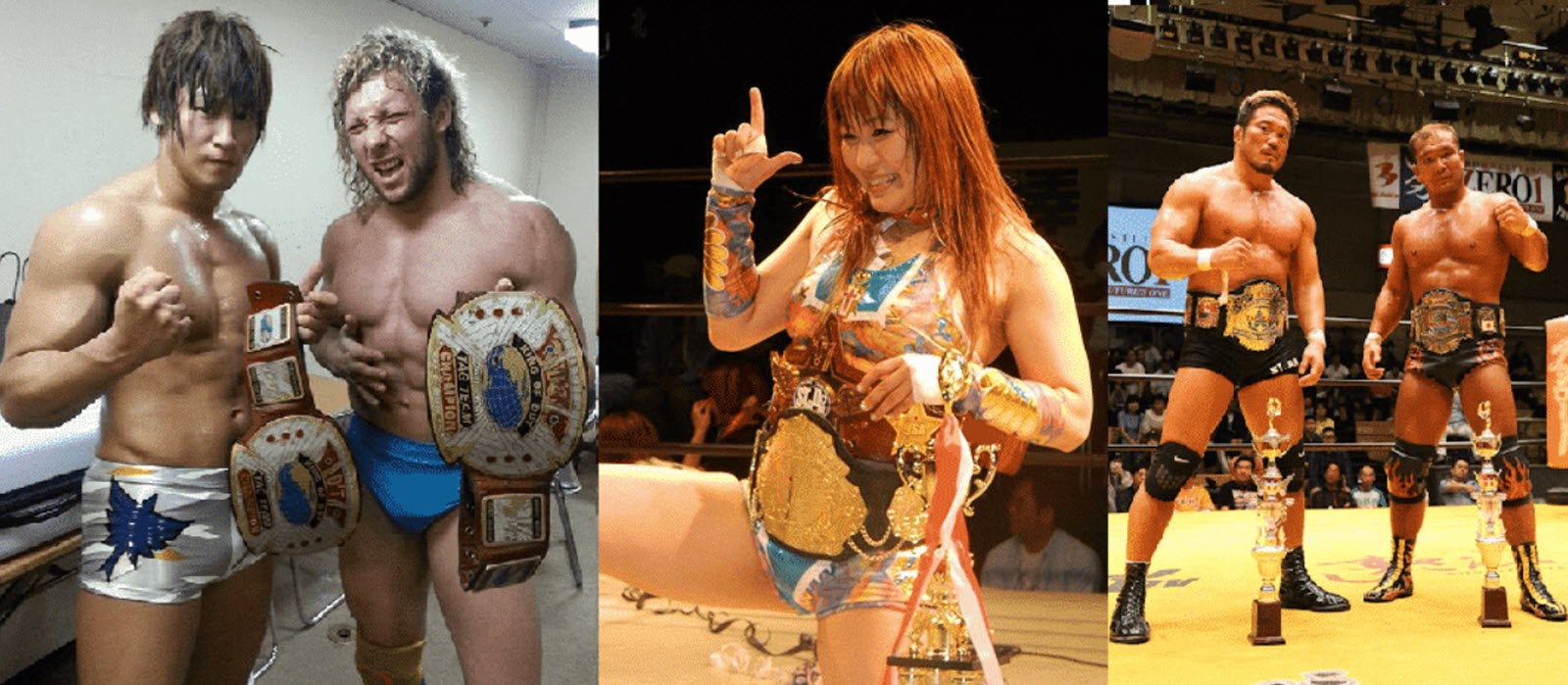
Puroresu ( プロレス ) is the predominant style and gengre of professional wrestling in Japan. The name is a shortened version of the Japanese pronunciation of the English term professional wrestling.
Puroresu developed in Japan out of the traditional United States style of professional wrestling.
Most puroresu wrestlers in Japan are male, but female professional wrestlers also exist. Puroresu with female wrestlers is known as joshi puroresu ( 女子プロレス ). Joshi puroresu is typically handled by promoters specializing in joshi puroresu, rather than by the same promoters that handle male puroresu. One notable exception was Chō Sentō Puroresu FMW, which promoted both male and female wrestlers. Joshi puroresu promoters often work together with male puroresu promoters and can for instance share cards.

Style
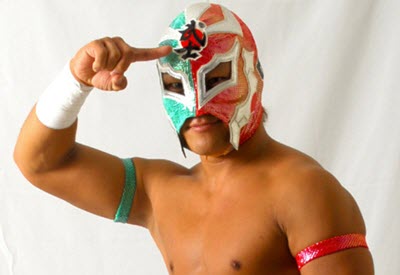
Puroresu share many traits with United States professional wrestling, but there are also many differences. In the Japanese language, however, the word puroresu is used for all forms of wrestling, so United States professional wrestling is also called puroresu in Japan.
Generally speaking, Japanese puroresu have clean finishes and the promoters aren’t as reliant on angles or gimmicks as their U.S. counterparts. The stories told are often focused on the wrestler’s spirit and perseverance.
It is common for Japanese professional wrestlers to be at least somewhat proficiencient in several different Asian martial art techniques, and this has had an impact on the development of puroresu.
In strong style puroresu, full contact martial arts strikes and shoot submission holds are common.
Also, many puroresu promoters have strong working relationships with mixed martial arts promoters. Having wrestling matches and MMA fights on the same card is not unheard of.
NJPW & AJPW
The dominant styles of Japanese puroresu have been established by the two dominant promotions: New Japan Pro-Wrestling and All Japan Pro Wrestling.
Headed by Antonio Inoki, NJPW pushed Inoki’s “strong style” where puroresu was seen as a combat sport. This meant including plenty of kicks and strikes from matiral arts, and placing a storng focus on submission wrestling. Many of the wrestlers signed with NJPW have a solid martial arts background.
Under the direction os Shohei Baba, AJPW adopted the King’s Road style, which is more similar to U.S. style professional wrestling than NJPW’s style. King’s Road have an emphasis on holds and brawling, and storytelling is important.
Both New Japan Pro-Wrestling and All Japan Pro Wrestling are privately owned and it is not possible to invest directly in either of the wrestling leagues. Investors who want to invest in wrestling in Japan have only one option. Investing in Amuse, Inc. Amuse, Inc. is a minority owner in New Japan Pro-Wrestling and are listed on the Tokyo stock exchange. The company is relatively small with less than 300 employees.
Background
It wasn’t until after World War II that puroresu really began to develop in the country, but the 19th century wrestler Srakichi Matsuda (1859-1891) is sometimes mentioned as an early trailblazers for what would eventually become puroresu in Japan.
In 1951, the first major star of puroresu emerged: Rikidōzan. Rikidōzan was born in Korea, but established himself as japanese post-war hero by defeating wrestlers from the United States. The U.S. Wrestlers aided Rikidōzan by portraying themselves as cheating villians. Conversely, Rikidōzan would travel to North America to wrestle and always be booked as a villian there. Rikidōzan was instrumental for popularizing puroresu in Japan and he formed the Japanese Wrestling Association (JWA). Regretably, he was murdered by the Yakuza in 1963.
Joshi
From the 1970s to the 1990s, All Japan Women’s Pro-Wrestling was dominating force within the field of joshi puroresu in Japan. Their first major stars were Mach Fumiake, Jackie Sato and Maki Ueda. The 1980s brought a second wave of starts, such as Jaguar Yokota, Devil Masami, Chigusa Nagayo and Lioness Asuka.
With the tag team “Crush Gals”, Nagayo and Asuka achieved unprecedented mainstream success in Japan and helped bring joshi puroresu into the spotlight. In the 1980s, their televised matches resulted in some of the highest rated broadcasts in Japanese television history and they often performed in sold-out arenas.
In the 1990s, joshi puroresu began attracting critical acclaim outside Japan, with wrestlers such as Akira Hokuto, Cutie Suzuki, Bull Nakano, Manami Tyotoa, Takao Inoue and Dyanmite Kansai.
Examples of professional wrestling promotions in Japan
Major promotions (male)
Pioneer & Major Japanese Pro Wrestling Promotions
Foundational organizations, major league promotions, governing ownership, and global alliances
| Promotion | Location | Founders / Owners | Years Active | Lineage & Historical Notes |
|---|---|---|---|---|
| Japan Wrestling Association (JWA) | Tokyo | ▸ Rikidōzan | 1953–1973 | The foundational promotion of Japanese professional wrestling. Affiliated with the National Wrestling Alliance (NWA); its territory membership was officially transferred to All Japan Pro Wrestling upon closing. |
| International Wrestling Enterprise (IWE) | Tokyo | ▸ Isao Yoshiwara | 1967–1981 | Pioneered steel cage matches in Japan. Associated with the American Wrestling Association (AWA) from 1970, and operated within the Japan Pro-Wrestling Commission alongside New Japan Pro-Wrestling until 1981. |
| New Japan Pro-Wrestling (NJPW) | Tokyo |
▸ Antonio Inoki ▸ Bushiroad (Current) |
1972–Active | Founded upon Antonio Inoki’s “Strong Style” philosophy. The largest and longest-running major promotion in Japan, hosting the flagship annual Tokyo Dome January 4 spectacle (Wrestle Kingdom). |
| All Japan Pro Wrestling (AJPW) | Yokohama |
▸ Giant Baba ▸ Jun Akiyama (Past) |
1972–Active | Built on the “King’s Road” style emphasizing long-term match storytelling and stiff fundamentals. Maintained official NWA affiliation until 1990; historic home of the Triple Crown Heavyweight Championship. |
| Pro Wrestling Noah | Tokyo |
▸ Mitsuharu Misawa ▸ Akira Taue (Past) ▸ CyberFight (Current) |
2000–Active | Formed after a mass walkout of domestic talent from All Japan Pro Wrestling following Giant Baba’s death. Built around the GHC (Global Honored Crown) championships and Misawa’s legendary roster. |
| Dragon Gate (Toryumon Japan 1997–2004) | Kobe |
▸ Takashi Okamura ▸ Último Dragón |
2004–Active | Rebranded after separating from Último Dragón’s Toryumon gym system in 2004. World-renowned for its faction warfare, rapid-fire multi-man tag bouts, and high-flying “lucharesu” style. |
| Inoki Genome Federation (IGF) | Tokyo | ▸ Antonio Inoki | 2007–Active | Founded by Antonio Inoki following his departure from NJPW. Blended traditional pro wrestling cards with genuine mixed martial arts rulesets and combat sport champions. |
Major promotions (female)
Pioneer Joshi Puroresu: AJW & GAEA Japan
Foundational institutions of Japanese women’s wrestling, leadership, operating eras, and historical legacy
| Promotion | Location | Founders / Owners | Years Active | Lineage & Historical Notes |
|---|---|---|---|---|
| All Japan Women’s Pro-Wrestling (Zenjo) | Tokyo |
▸ Takashi Matsunaga ▸ Kunimatsu Matsunaga (The Matsunaga Brothers) |
1968/72–2005 | The undisputed bedrock of modern women’s professional wrestling worldwide. Established the legendary WWWA World Championship, cultivated monumental stars (Beauty Pair, Crush Gals, Bull Nakano, Manami Toyota, Aja Kong), and pioneered the hyper-athletic, stiff workrate style that defined 1990s puroresu. |
| GAEA Japan | Tokyo |
▸ Chigusa Nagayo ▸ Yuka Sugiyama |
1995–2005 | Founded by Crush Gals icon Chigusa Nagayo following her AJW tenure. Built around the AAAW Championship titles, cross-promoted extensively with World Championship Wrestling (WCW), staged the historic Crush Gals 2000 reunion, and served as the premier training ground for stars like Meiko Satomura before closing while still commercially solvent in 2005. |
Independent promotions (male)
Japanese Pro Wrestling Promotions
A historical and contemporary directory of Japanese independent puroresu organizations, founders, and lineage
| Promotion | Location | Founders / Owners | Years Active | Lineage & Historical Notes |
|---|---|---|---|---|
| Universal Wrestling Federation | Matsumoto | ▸ Hisashi Shinma | 1984–1986 | Revived as the Newborn UWF in 1988 and again in 1991 as Union of Wrestling Forces International (UWF International or UWFi). |
| Pioneer Senshi | Tokyo |
▸ Ryuma Go ▸ Apollo Sugawara ▸ Masahiko Takasugi |
1988–1991 | First-ever independent promotion in Japan. |
| Cho Sento Puroresu FMW | Greater Tokyo |
▸ Akihito Ichihara ▸ Yukihide Ueno |
1989–02, 2015– | Formerly named Frontier Martial Arts Wrestling; pioneered explosive barbed-wire deathmatch wrestling. |
| Super World of Sports | Tokyo | ▸ Hachiro Tanaka | 1990–1992 | Associated with the World Wrestling Federation (WWF); funded by financial backer Megane Top. |
| Federacion Universal de Lucha Libre | Tokyo | ▸ Hisatsune Shinma | 1990–1995 | Known as Universal Pro Wrestling from 1990 to 1993; affiliated with the Universal Wrestling Association (UWA). |
| Wrestling International New Generations (W*ING) | Tokyo |
▸ Kiyoshi Ibaragi ▸ Victor Quiñonez |
1991–1994 | Associated with the World Wrestling Council (WWC); popularized extreme deathmatches and Caribbean imports. |
| Pro Wrestling Fujiwara Gumi | Tokyo |
▸ Yoshiaki Fujiwara ▸ Masakatsu Funaki ▸ Minoru Suzuki |
1991–1995 | Shoot-style offshoot of Newborn UWF; served as the direct precursor to the founding of Pancrase. |
| UWF International | Tokyo | ▸ Nobuhiko Takada | 1991–1996 | Continuation of Universal Wrestling Federation; set box-office records in Tokyo Dome feud vs. NJPW. |
| Fighting Network Rings | Tokyo | ▸ Akira Maeda | 1991–2002 | Continuation of Newborn UWF; evolved from shoot-style into pure MMA. Revived as The Outsider in 2008. |
| Wrestle Association “R” (WAR) | Tokyo |
▸ Gen’ichiro Tenryu ▸ Masatomo Takei |
1992–2006 | Formed after the collapse of SWS; engaged in legendary inter-promotional invasion matches with NJPW. |
| Michinoku Pro Wrestling | Morioka | ▸ The Great Sasuke | 1993–Active | Pioneered the Tohoku style and Japanese junior heavyweight/lucha libre hybrid wrestling. |
| Union Pro Wrestling | Tokyo (Shinjuku) |
▸ Naomi Susan ▸ DDT Pro Wrestling |
1993–95, 2004–15 | Originally founded by Katsumi Hirano; revived under DDT as an eclectic independent brand before transforming into Basara. |
| Tokyo Pro Wrestling | Tokyo | ▸ Takashi Ishikawa | 1994–1996 | Revival of the classic 1960s promotion name, featuring Sumo wrestling veterans and cross-promotional shows. |
| Kokusai Promotion | Chigasaki | ▸ Goro Tsurumi | 1994–2007 | Formerly known as I.W.A. Kakutoushijuku (1994–1998); revived the lineage of the original IWA World Heavyweight Championship. |
| IWA Japan | Tokyo | ▸ Tatsukuni Asano | 1994–2014 | Continuation of W*ING; famous for staging the 1995 King of the Deathmatch tournament won by Cactus Jack. |
| Big Japan Pro Wrestling (BJW) | Yokohama | ▸ Shinya Kojika | 1995–Active | Famous for pioneering extreme light tube and fluorescent deathmatches, alongside its acclaimed “Strong BJ” heavyweight division. |
| Battlarts | Koshigaya | ▸ Yuki Ishikawa | 1996–2011 | Known for shoot-style and hard-hitting submission wrestling, blending traditional pro wrestling drama with realistic striking. |
| Pro Wrestling Kageki | Fukuoka | ▸ Azteca | 1997–Active | Regional Kyushu-based lucha libre and independent promotion promoting community shows and masked performers. |
| DDT Pro-Wrestling | Tokyo | ▸ Sanshiro Takagi | 1997–Active | Renowned for dramatic entertainment, comedic matches, campsite brawls, and top-tier modern athletic storytelling. |
| Kingdom | Tokyo | ▸ Nobuhiko Takada / UWFi Alumni | 1997–1998 | Continuation of UWF International that served as the immediate stepping stone toward the founding of PRIDE FC. |
| Osaka Pro Wrestling | Osaka |
▸ Super Delfin ▸ Yuji Sakagami (Current) |
1998–Active | Iconic Kansai indie characterized by comedic masked characters (Kuishinbo Kamen, Ebessan) and fast junior heavyweight action. |
| Pro Wrestling Zero1 | Tokyo |
▸ Shinya Hashimoto ▸ Shinjiro Otani ▸ First On Stage Inc. |
2001–Active | Founded by NJPW legends; famous for its annual summer Fire Festival tournament and strong international roster. |
| Kaientai Dojo (2AW) | Chiba | ▸ TAKA Michinoku | 2002–Active | Founded after TAKA’s WWF run; established the Blue Field arena in Chiba. Rebranded as Active Advance Pro Wrestling (2AW) in 2019. |
| World Entertainment Wrestling (WEW) | Tokyo | ▸ Hiromichi Fuyuki | 2002–2008 | Formed after the bankruptcy of original FMW; created the WEW Championship lineage which continues across indie groups. |
| 666 (Triple Six) | Tokyo |
▸ Crazy SKB ▸ Onryo |
2003–Active | Underground gothic, punk-rock, and shock-wrestling promotion notorious for wild theatrics and adult-themed comedy. |
| Wrestling Marvelous of the Future (WMF) | Tokyo |
▸ Eiji Ezaki (Hayabusa) ▸ Masashi Honda |
2003–2005 | Founded by injured FMW superstar Hayabusa to give former FMW junior wrestlers an athletic, non-hardcore platform. |
| Diamond Ring | Yoshikawa |
▸ Kensuke Sasaki ▸ Akira Hokuto |
2003–2013 | Formerly named Kensuke Office; functioned as an elite training dojo producing top talents such as Katsuhiko Nakajima. |
| Guts World Pro Wrestling | Tokyo | ▸ Guts Ishijima | 2004–Active | Grassroots Tokyo independent promotion born from collegiate wrestling circuits, highlighting tough 1990s-style indie action. |
| Big Mouth Loud | Tokyo |
▸ Fumihiko Uwai ▸ Kazunari Murakami |
2004–2006 | Shoot-style group backed by Antonio Inoki’s circle, staging realism-infused matches before backstage splits halted operations. |
| Riki Pro | Tokyo |
▸ Riki Choshu ▸ Katsuji Nagashima |
2004–2010 | Successor to World Japan Pro Wrestling (WJPW); focused on classic heavyweight brawling headlined by Riki Choshu. |
| Hustle | Greater Tokyo | ▸ Nobuhiko Takada (DSE) | 2004–2011 | Mainstream sports-entertainment concept created by PRIDE’s parent DSE, blending celebrity spectacles with pro wrestling. |
| STYLE-E Pro Wrestling | Tokyo |
▸ Kazuhiro Tamura ▸ Masato Shibata |
2004–2012 | Suburban indie that combined U-Style technical grappling with hard-hitting action; directly transitioned into Pro Wrestling Heat Up. |
| Apache Pro-Wrestling Army | Tokyo | ▸ Kintaro Kanemura | 2004–2016 | Carried on the hardcore, barbed-wire spirit of original FMW and W*ING after the dissolution of WEW. |
| Real Japan Pro Wrestling | Tokyo | ▸ Satoru Sayama (Original Tiger Mask) | 2005–Active | Promotes martial-arts infused “Strong Style” rooted in Antonio Inoki’s teachings; later rebranded as Strong Style Pro-Wrestling. |
| Fu-Ten | Fukuoka | ▸ Daisuke Ikeda | 2005–Active | BATTlarts spin-off known for stiff headbutts, open-hand slaps, and realistic submission matches. |
| El Dorado Wrestling | Tokyo |
▸ Noriaki Kawabata ▸ Koji Fujinaga |
2006–2008 | Continuation of DragonDoor; highlighted Toryumon-trained lucharesu stars before closing and reforming as Secret Base. |
| VKF Puroresu | Osaka | ▸ Toshiyuki Kawamura | 2007–Active | Kansai indie promotion that regularly features American independent and Canadian talent alongside Japanese freelancers. |
| Dradition | Tokyo | ▸ Tatsumi Fujinami | 2008–Active | Originally founded as Muga World Pro Wrestling in 2006; honors classic British catch-as-catch-can and old-school mat fundamentals. |
| Okinawa Pro Wrestling | Naha, Okinawa | ▸ Super Delfin | 2008–2012 | Resort-style island wrestling promotion running daily tourist shows centered on local Okinawan folklore and food-themed gimmicks. |
| Secret Base | Tokyo |
▸ Mototsugu Shimizu ▸ Jun Ogawauchi |
2009–Active | Continuation of El Dorado Wrestling; maintains Toryumon-style lucha libre matches in smaller Tokyo venues. |
| Pro Wrestling Freedoms | Tokyo | ▸ Takashi Sasaki | 2009–Active | Formed after the closure of Apache Army; one of the premier international deathmatch organizations in the world alongside BJW. |
| Tokyo Gurentai | Tokyo |
▸ NOSAWA Rongai ▸ MAZADA |
2010–Active | Autonomous promotional unit built by the Tokyo Gurentai freelancer faction, featuring high-profile legend showcase bouts. |
| Smash | Tokyo |
▸ Yoshihiro Tajiri ▸ Akira Shoji |
2010–2012 | Continuation of Hustle’s creative concepts with heavy WWE and European crossover; succeeded by Wrestling New Classic (WNC). |
| Tenryu Project | Tokyo | ▸ Genichiro Tenryu | 2010–2015 | Tenryu’s independent office; famously organized his historic 2015 retirement match against Kazuchika Okada in Ryogoku Kokugikan. |
| Legend The Pro Wrestling | Tokyo |
▸ Tatsumi Fujinami ▸ Riki Choshu ▸ Shodai Tiger Mask |
2011–Active | Joint nostalgia and classic Golden Era revival tour formed by three of Japanese wrestling’s most iconic historical superstars. |
| Wrestling New Classic | Tokyo | ▸ Yoshihiro Tajiri | 2012–2014 | Continuation of Smash; served as the sister group to Reina Joshi Puroresu with talent cross-booked into Wrestle-1 upon its closure. |
| Wrestle-1 | Tokyo | ▸ Keiji Mutoh | 2013–Active | Founded following a mass exodus from All Japan Pro Wrestling (AJPW); established a partnership with American promotion TNA. |
| Ryukyu Dragon Pro Wrestling | Kadena, Okinawa | ▸ Gurukun Mask | 2013–Active | Formed after Okinawa Pro ceased regular activity; functions as Okinawa’s primary local pro wrestling promotion and touring base. |
| Pro Wrestling Heat Up | Tokyo | ▸ Kazuhiro Tamura | 2013–Active | Continuation of Style-E Pro Wrestling; emphasizes junior heavyweight fundamentals alongside community and disability-inclusive outreach. |
| Doutonbori Pro-Wrestling | Osaka | ▸ Doutonbori Ent. Systems | 2013–Active | Founded by Osaka Pro veterans seeking a grittier, athletic, and heel-centric wrestling product in the Kansai metropolitan market. |
| Ōdō | Tokyo | ▸ Akebono | 2015–Active | Founded by former Grand Champion Sumo Yokozuna Akebono to honor the “King’s Road” style after leaving All Japan Pro Wrestling. |
| Pro-Wrestling Basara | Tokyo (Shinjuku) | ▸ Isami Kodaka | 2015–Active | Continuation of Union Pro Wrestling; launched under the DDT umbrella before establishing full organizational independence in 2020. |
| Diamond Stars Wrestling | Tokyo | ▸ Hideo Shimada | 2016–Active | Traditionalist promotion closely allied with the National Wrestling Alliance (NWA) and classic European professional wrestling rings. |
Independent promotions (female)
Japanese Women’s Pro Wrestling (Joshi Puroresu)
Historical directory of classic and modern promotions, key founders, operating eras, and lineage
| Promotion | Base | Founders / Owners | Active Eras | Lineage & Historical Impact |
|---|---|---|---|---|
| Japan Women’s Pro-Wrestling | Tokyo | ▸ Jackie Sato | 1986–1992 | Affiliated with Universal Wrestling Association (UWA). In 1992, the promotion split into two landmark offshoots: JWP Project and Ladies Legend Pro Wrestling. |
| Ladies Legend Pro-Wrestling (LLPW-X) | Tokyo |
▸ Rumi Kazama ▸ Shinobu Kandori |
1992–Active | Formed directly following the split of Japan Women’s Pro-Wrestling, integrating strong martial arts and shoot-style influences. |
| JWP Joshi Puroresu | Tokyo |
▸ Kiyoshi Shinozaki ▸ Masatoshi Yamamoto |
1992–2017 | Formed from the original Japan Women’s split. Remained an operational stalwart for 25 years before dissolving and rebranding as Pure-J. |
| Jd’ (JDStar) | Tokyo |
▸ Yoshimoto Kogyo Co. ▸ J Office Group |
1995–2007 | Pioneered the hybrid “Athress” concept combining athletic ring-work with idol and entertainment promotions. |
| Hyper Visual Fighting Arsion | Tokyo | ▸ Hiroshi “Rossy” Ogawa | 1997–2003 | Known for its crisp, high-speed lucha libre/joshi hybrid matches and technical mat submissions coached by Mariko Yoshida. |
| Oz Academy | Tokyo | ▸ Mayumi Ozaki | 1998–Active | Noted for veteran-led heel factions (Ozaki-gun), weapon-heavy hardcore rules, and dramatic storytelling matches. |
| NEO Japan Ladies Pro-Wrestling | Kawasaki | ▸ Tetsuya Koda | 1998–2010 | Emerged from the ashes of the original NEO Ladies, serving as a primary stage for top free agents throughout the 2000s. |
| Major Girl’s Fighting AtoZ | Tokyo |
▸ Mariko Yoshida ▸ Yumiko Hotta |
2003–2006 | Formed as the direct successor to Arsion, showcasing technically demanding cruiserweight style joshi competition. |
| Sendai Girls’ Pro Wrestling | Sendai |
▸ Meiko Satomura ▸ Jinsei Shinzaki |
2005–Active | Renowned internationally for its elite dojo conditioning, physical hard-hitting style, and inter-promotional showcase tournaments. |
| Ibuki | Tokyo | ▸ Mariko Yoshida | 2005–2010 | Specialized developmental promotion designed to train young prospects in classical submission wrestling against seasoned veterans. |
| Ice Ribbon | Warabi | ▸ Neoplus (Emi Sakura) | 2006–Active | Operated its own dedicated dojo venue (Warabi Dojo), producing numerous champions and nurturing younger talent cohorts. |
| Pro Wrestling Sun | Tokyo | ▸ First On Stage (FOS) | 2006–2009 | Sister promotion to Pro Wrestling ZERO1; frequently featured international stars (such as Amazing Kong) and AWA-sanctioned belts. |
| Pro Wrestling Wave | Tokyo | ▸ Zabun Co., Ltd. (GAMI) | 2007–Active | Prominent independent hub famous for the annual Catch the WAVE single-elimination tournament and fast-paced comedy/athletic matches. |
| World Wonder Ring Stardom | Tokyo |
▸ Rossy Ogawa ▸ Bushiroad (Current) |
2010–Active | Grew into the largest and most commercially successful joshi promotion in the world, staging major events at Yokohama Arena and Tokyo Dome. |
| Osaka Joshi Pro Wrestling | Osaka | ▸ Zabun Co., Ltd. | 2010–2017 | Regional Kansai-based sister promotion to Pro Wrestling Wave, emphasizing regional talent development and comedic character work. |
| World Woman Pro-Wrestling Diana | Kawasaki | ▸ Kyoko Inoue | 2011–Active | Founded by legendary All Japan Women (AJW) veteran Kyoko Inoue, operating regularly in the Kanagawa/Tokyo region with heavy veteran cards. |
| Reina Joshi Puroresu | Chiba | ▸ Hideaki Hatakeyama | 2012–Active | Sister group to Wrestling New Classic (WNC); built close talent exchanges with Mexican promotion CMLL to showcase authentic lucha libre. |
| World Woman Pro-Wrestling Association (WPA) | Tokyo | ▸ Aki Kanbayashi | 2013–Active | Independent promotion focusing on community athletic shows and veteran cross-booking. |
| Marvelous That’s Women Pro Wrestling | Funabashi | ▸ Chigusa Nagayo | 2014–Active | Founded by 1980s pop-culture icon Chigusa Nagayo (Crush Gals). Emphasizes strict fundamental training, ring discipline, and charismatic presentation. |
| Pure-J | Tokyo | ▸ Command Bolshoi | 2017–Active | Formed as the direct continuation of JWP Joshi Puroresu after its retirement, preserving its championship lineage and dedicated core roster. |
This article was last updated on: September 29, 2026