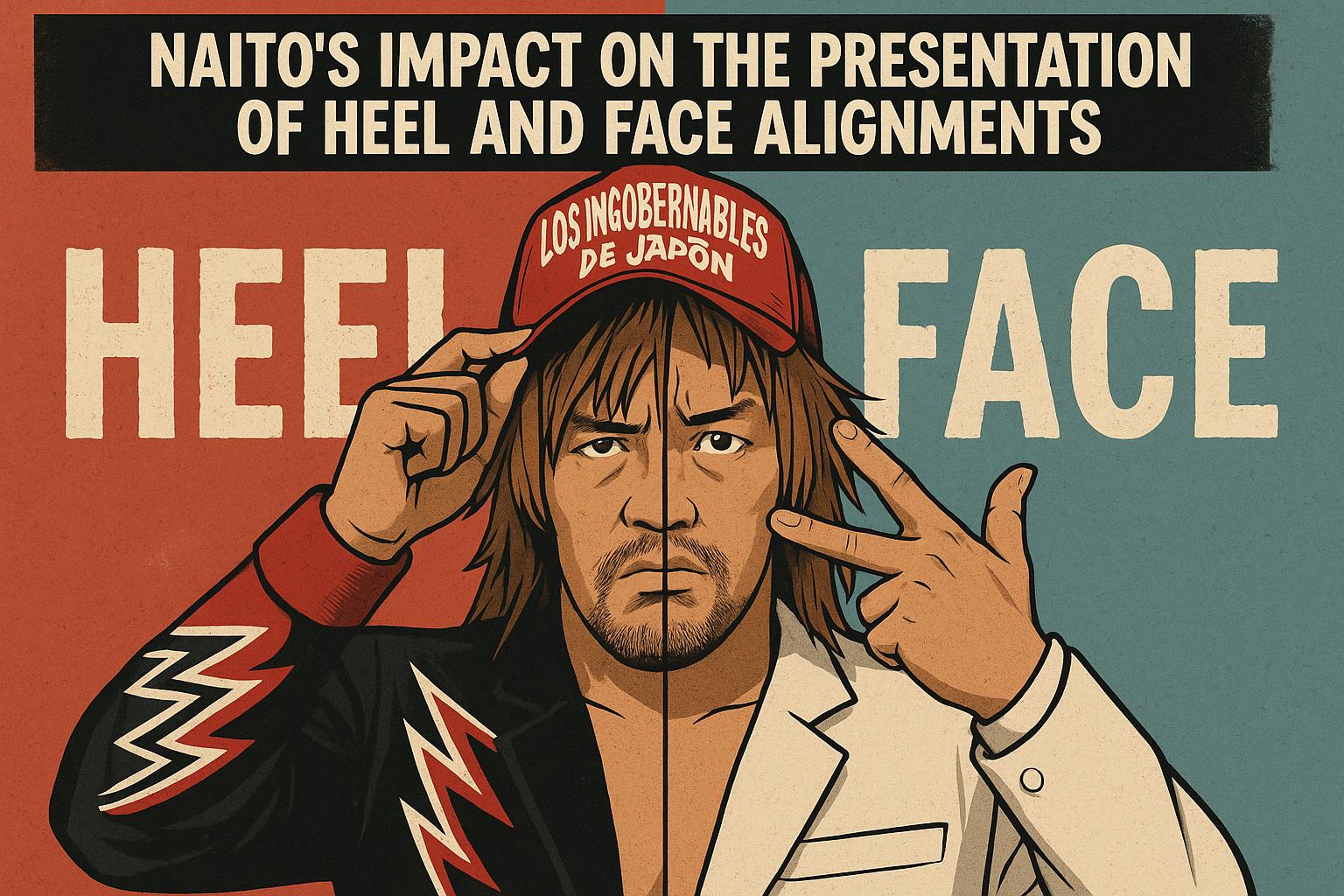
Naito’s Influence on the Dynamics of Heel and Face Alignments
The world of professional wrestling thrives on the storytelling dichotomy of heels and faces—terms denoting villains and heroes, respectively. Tetsuya Naito, a prominent figure in this domain, has significantly influenced how these roles are perceived and executed.
The Evolution of Tetsuya Naito
Tetsuya Naito emerged as a standout wrestler in New Japan Pro-Wrestling (NJPW), gaining attention for his distinct style and character depth. Originally debuting with a babyface (heroic) persona, Naito’s character underwent a transformation that blurred traditional lines, ultimately impacting the presentation of heel and face dynamics. In the realm of wrestling, where the lines between heroes and villains are typically well-defined, Naito brought an unexpected twist that challenged these traditional depictions.
Naito’s Departure from Conventional Norms
Naito’s ability to transition between a face and a heel role was not based on dramatic shifts in behavior, typical of wrestling narratives. Instead, Naito’s evolution was characterized by subtler actions that questioned authority and norms within the wrestling storyline. His depiction of “tranquilo” — a laid-back and rebellious demeanor — struck a chord with audiences, making his character unpredictable and engaging. Rather than relying on the flamboyant and overt signifiers of a hero or villain, Naito’s approach encouraged the audience to explore the underlying nuances of his character and what his actions represented within the broader narrative context.
The Impact on Audience Perception
In wrestling, audience perception is vital for the success of a character. Naito’s nuanced portrayal allowed fans to connect with him beyond the binary perception of good versus evil. This complexity encouraged audiences to appreciate the intricacies of a character’s motivations rather than simply their alignment in the storyline. Consequently, Naito has cultivated a fanbase that celebrates his anti-hero qualities, indicative of a shift in traditional audience expectations. This transformation in audience dynamics suggested that wrestling fans were eager for characters that defied simplistic categorizations, preferring instead to engage with personalities that echoed real-world complexities.
Redefining Character Development
Typically, heels exhibit characteristics such as deceit and aggression, while faces embody virtues like honesty and bravery. Naito challenged this dichotomy by embracing flaws and virtues alike, further blurring the lines between these roles. His character development emphasized personal journey and internal conflict, offering a refreshing approach to storytelling within wrestling. By showcasing a character that evolved in response to both internal and external influences, Naito’s journey reflects a broader trend in entertainment that values rich, multi-dimensional characters over mere archetypes. This shift not only enriched the storylines but also provided a platform for more robust, compelling character arcs, setting a precedent for future wrestling narratives to follow.
The Tactical Nuance of Naito’s Style
Naito’s wrestling style also contributed to his unique standing in the wrestling world. Unlike many traditional wrestlers who heavily leaned into either villainous deceit or heroic valor, Naito’s in-ring tactics often mirrored his complex character outside of it. He could be methodical and laid-back in one moment and explosive and intense in the next, making his matches as unpredictable as his character. This tactical versatility further exemplified the blurred lines between face and heel dynamics, as it was difficult to categorize his actions into traditional good or bad motifs. The unpredictability of his wrestling style added to the allure that surrounded him, ensuring that audiences remained engaged and invested in both his matches and his evolving character.
Cultural Reflection in Professional Wrestling
Tetsuya Naito’s approach to character development and his influence on wrestling dynamics also reflects broader cultural narratives. In a time where entertainment audiences are increasingly seeking stories with moral ambiguity and emotional complexity, Naito’s character resonated deeply. Wrestling, being a microcosm of greater society, was both reflective of these cultural narratives and influential to them. Naito’s storytelling through wrestling acted as a medium for exploring complex themes like identity, personal freedom, and societal pressure, connecting with audiences who appreciated the layers and depth that these themes offered. This level of storytelling underscores the potential of wrestling as a form of art that extends beyond the mere spectacle of choreographed moves and into the domain of meaningful narrative exploration.
Conclusion
Tetsuya Naito’s influence is evident in how character alignments are both presented and perceived. By breaking from conventional narratives, Naito introduced a new layer of complexity to the roles of heel and face, prompting audiences to engage with wrestling personalities in more meaningful ways. This has fostered a more nuanced understanding of character dynamics, pushing the boundaries of traditional wrestling storytelling. By subverting established norms and offering viewers a fresh perspective on character portrayal, Naito set a benchmark in wrestling that others could aspire to. Moving forward, his legacy in reshaping the hero-villain dynamic helps to ensure that wrestling remains not only a form of entertainment but also a complex narrative art capable of engaging viewers on multiple levels.
This article was last updated on: December 3, 2025